Lit-history
Lit-History started as a project for a literature class and developed into an avenue for personal expression. Experience humanity through an exciting and educatory lens while exploring ideas, culture, literature, and history. Original writing, solid research, vulnerable, hoping to bring the world together.
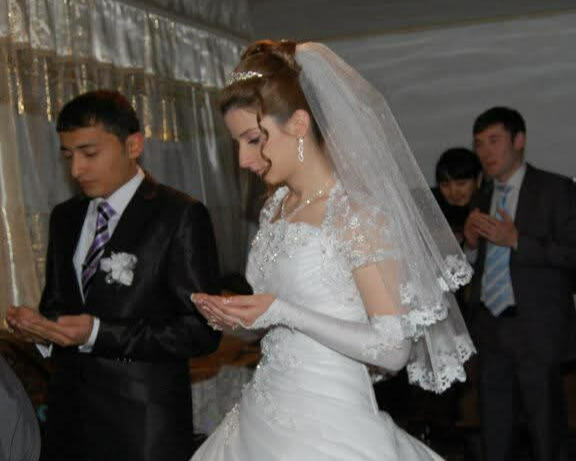
An American bride in kazakhstan
,
Contact
Send me a message
Thank you
Aristotle said, "It is the mark of an educated mind to be able to entertain a thought without accepting it." Thank you for opening your mind to new thoughts, ideas, and perspectives. Knowledge is power, and empathy is not weakness. This floating rock will keep spinning with or without you, so leave a legacy of kindness.
an american bride in kazakhstan
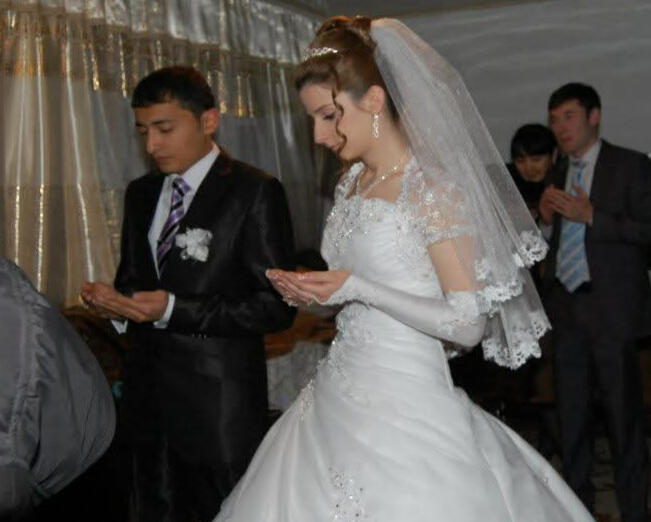
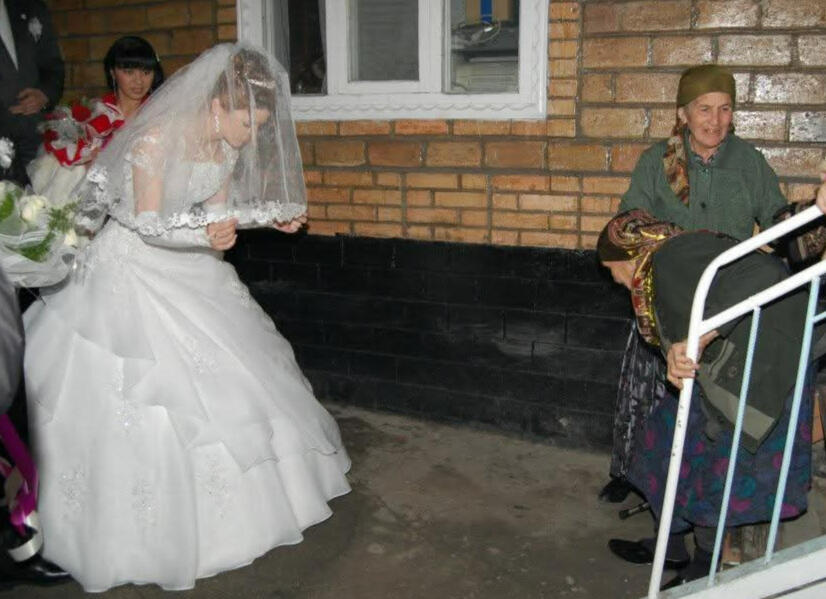
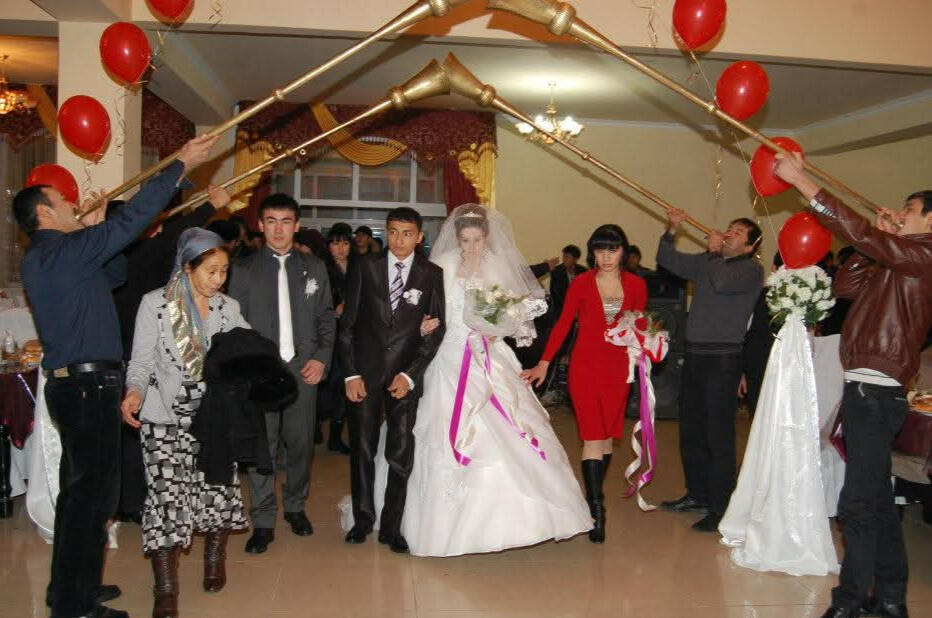
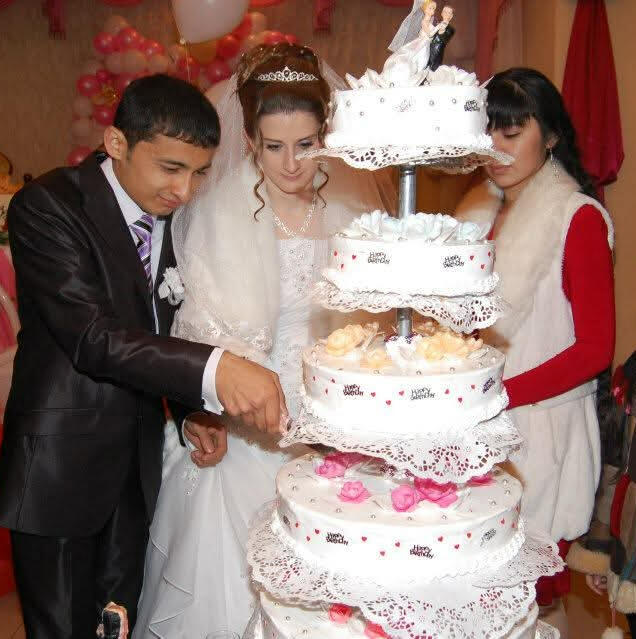
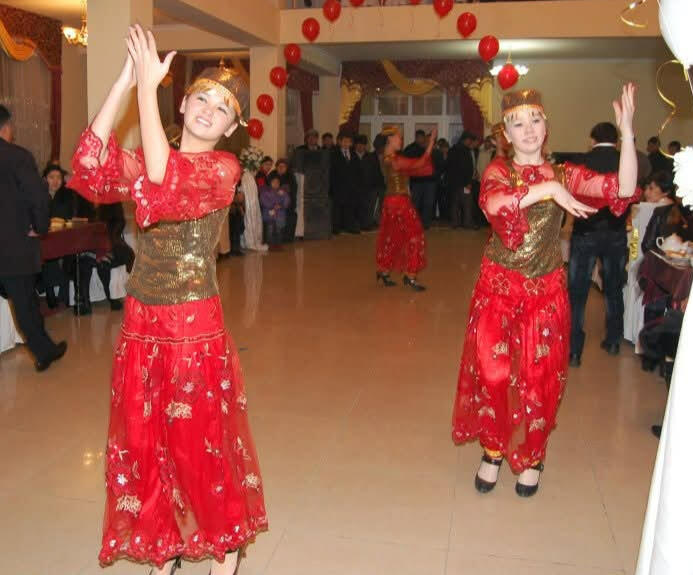
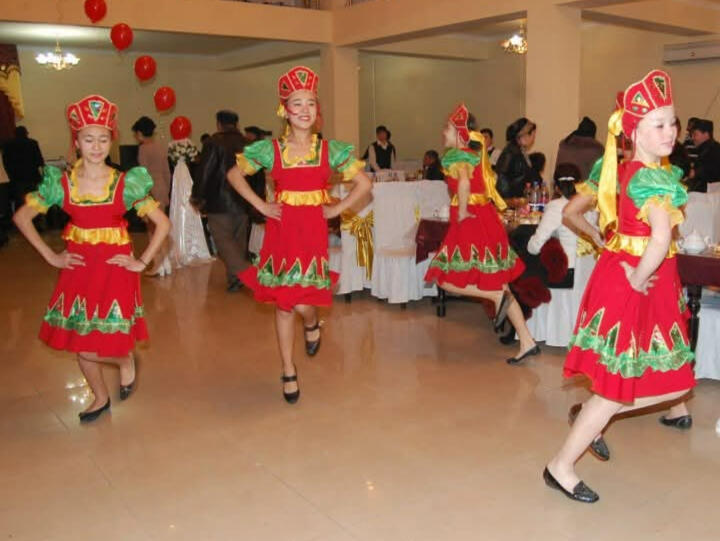
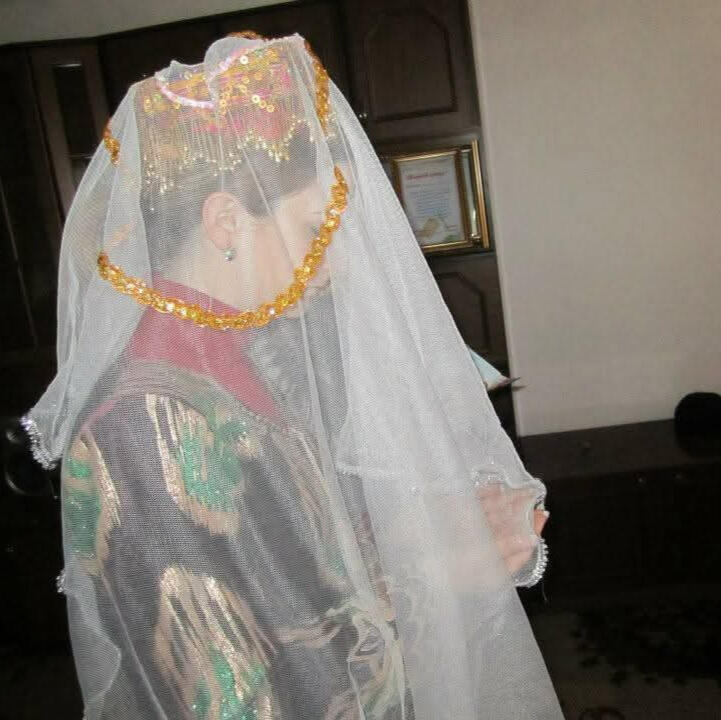
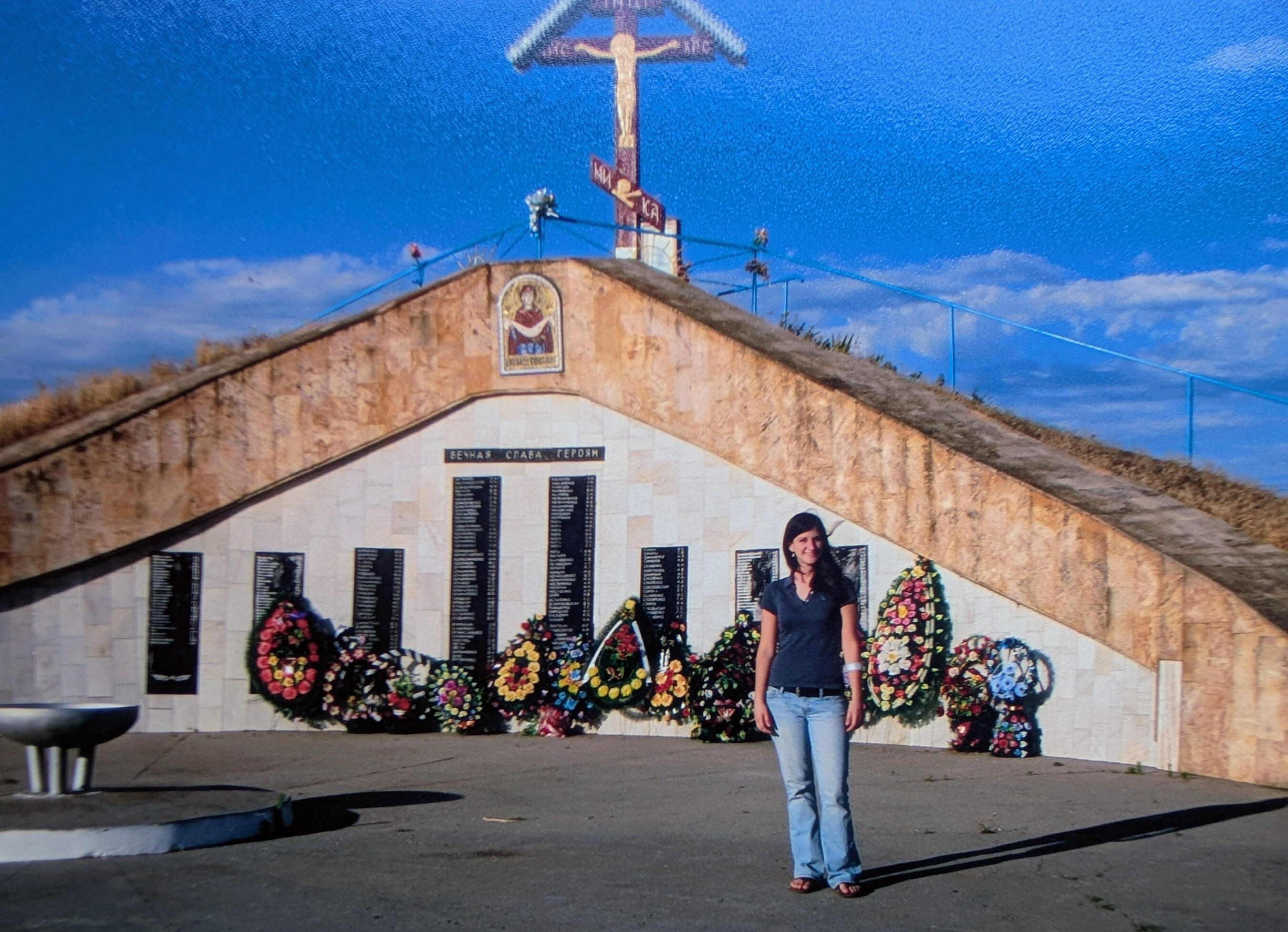
Two decades before returning to college as a 36 year old student, I was already thinking like an anthropologist, though I had no idea at the time what that even meant. Terms like ethnography, ethnocentrism, acculturation, and cultural relativism were words not yet available in my 15 year old self’s vocabulary. Growing up in a small town in the Deep South, I wasn’t often exposed to languages, religions, cultures, ethnicities, or even thoughts outside of my own box. In 2004, the spring semester of my freshman year of high school, I received my acceptance letter to the Alabama School of Mathematics and Science, and come fall, I was rooming with an agnostic girl from Sri Lanka whose parents were Buddhist. Suddenly, looking around campus, I was surrounded by different skin colors, languages, dietary restrictions, clothing styles, and religious practices. After looking like everyone else around me for my entire life, yet feeling so out-casted and different inside, I finally felt at home. So began my lifelong love of everything that wasn’t inherently “me.”In July of 2010, I met a dark and handsome, strong-jawed Uzbekistan native named Sherzod. Though his name was Persian meaning “Son of the Lion,” he was gentle in nature, strong in his Islamic faith, and he had a kindness about him that I had not known before. We fell in love quickly, and we married before our families of different faiths could have any say in the matter, supportive or otherwise. In order to preserve our peace, we eloped to New York City and were wed in the American Museum of Natural History with just our officiant and one witness present. We dashed across the street to infamous Central Park where we celebrated with a horse-drawn carriage ride, followed by a feast his friends provided at our small, two bedroom one bathroom apartment where we resided with, at times, 10 others.The following year after the green card process was well on its way to completion, we travelled what seemed an eternity to a faraway land called Kazakhstan, where I was finally formally introduced to my in-laws. Though Uzbek in every sense of the word, Sherzod’s family mostly resided in Shymkent, Kazakhstan, a city about two hours’ drive from the Uzbekistan-Kazakhstan border to the south. Though not my first time making a transatlantic journey, it was quite a different experience from my travels to Moldova and Ukraine in my late teen hood. Uzbek, a daughter language of Proto-Turkic, typically uses the Latin alphabet, but due to Soviet influence, most of the signs, literature, government documents, and things of the like were written in the Cyrillic alphabet. I could read and speak some Russian, but the Kazakh and Uzbek languages, when written in Cyrillic, had several additional letters and accents that I was not accustomed to. Most of his family spoke three languages fluently: Uzbek, Kazakh, and Russian. Because of my knowledge of the Russian language, his family spoke Russian in my presence, in hopes that I would grasp some of the conversation. While I did attempt to learn some words from my new family’s land, I found it quite difficult to produce the throaty and guttural sounds that we do not use in the English language. However, I did learn some cognates, such as “rahmat” and “rahmet”, “thank you” in Uzbek and Kazakh, respectively.In addition to the language barriers, there were many cultural norms to which I was not accustomed. When entering the home, you removed your shoes so as not to bring in dirt and germs from outside. Not only that, it was considered good luck to put your right shoe on first, and to remove the right shoe last when taking them off. Once, I received looks of terror when I whistled inside the house, not knowing that there it is considered bad luck to do so, and you may lose all your money. Everywhere we went, people hung “evil eye” talismans, thought to protect against evil spirits and negative energy directed at you by jealous people or those with ill-intent. There were also customs for simple tasks, such as pouring tea. In my in-laws’ household, the tea was not deemed drinkable unless it had been poured, returned to the pot and poured again, three times in total. Any less than three times was considered bad hosting. Another sign of a bad host was an improperly set table. It was always said, “If you can see the table, then you haven’t offered your guests enough food!”Though we had already been married for a year, my in-laws wanted to throw us a wedding while we were there. Though they saved me from the standard seven days steeped in Uzbek wedding traditions, they planned for us an extravagant Americanized wedding in one of the many wedding halls in the village. With 600 people in attendance, including local TV reporters and a newspaper that reached 2.5 million people in South Kazakhstan, the evening was still filled with traditions and expectations. My singular bridesmaid, a first cousin of my husband, spoke no English yet still managed to guide me through the entire night. First, when leaving my husband’s home, I met his grandmothers at the foot of the stairs and performed the customary greeting, holding my veil and bowing to them three times. As we walked down the driveway, traditional Uzbek horns called “karnay” blasted through the cold and snowy winter air. We arrived at the wedding hall, Sherzod in his suit and I in my white gown and rabbit fur coat. We entered through a tunnel of more “karnay” accompanied by fireworks and hundreds of people awaiting our much-anticipated appearance… mine especially! We were presented a feast, including the national Uzbek dish Plov, meat aspic filled with vegetables, horse meat sausages, salads, fruits, and more than 500 loaves of traditional Uzbek bread. An enormous five-tiered cake with the words “Happy Birthday” (it was the only thing in English that the baker knew) was one of the great centerpieces in the room. Throughout the night, many speeches were made, and professional dancers graced us with national costumes and dances of Uzbekistan, Kazakhstan, and Russia.The following morning, I was stirred awake by the bustling about of my sisters-in-law, preparations for another celebration already under way. Though legally married for quite some time, and technically a part of the family, the time had come for the traditional introduction of the bride to the groom’s family and close friends: my “kelin salom.” I was clad in the clothing traditional for the occasion, and a handmade hat, or “doppi,” of colorfully patterned fabric and gold beadwork was placed atop my head, then draped with a veil of white tulle adorned with gold and silver accents. My mother-in-law’s sister led me first into a room full of my husband’s male relatives and friends, where I held the edges of my veil while she sang a song that I could not understand. After each stanza, she gave my elbow a gentle squeeze, signaling me to bow to my new family. After each guest had been properly greeted, I was shuffled to another room in my in-law’s home, where the same song and dance was performed for my husband’s female relatives and friends. After the traditions had been completed, everyone shared a meal, tea, stories, music, and many laughs, and I was officially a part of this new family.
It was an experience I will never forget, and as it seems, neither will others. My in-laws to this day, nearly 15 years later, are approached at work to be shown videos that someone else sent them, “Hey, look at this couple! This guy from our village married a girl from America!” they love to say. “Yes, that’s my son and daughter-in-law!” they enthusiastically respond.As a little girl who dreamed of her Daddy walking her down the aisle in a big, white dress with a long, lace train to meet her prince charming, I could never have guessed that I’d have been accepted into an Uzbek family. After many trips there, many invitations to feasts, many souvenirs bought, many cultural and religious experiences had, and nine nieces and nephews later, I am so grateful every day for the lessons that I have learned being a part of a multi-cultural family. Being a part of their family has not only impacted my own life, but the lives of my own family and friends, as well. Once surrounded by people with attitudes steeped in ethnocentrism, cultural relativism is now the norm in my circles. Never did I think that those close to me would be so open-minded to another culture, religion, and way of life. Down to my very core, I have always loved other people, not regardless of, but because of cultural differences, language barriers, and religious beliefs, and I had no idea that my love for history was actually an innate passion for anthropology. Any chance I get, I will travel and learn more…experience more… love more… and I will never let our son, Abraham—named after Ibrahim the great prophet—forget where he comes from.